Updated September 2026 by Dawit Deggu Mohis, Addis Ababa.
Ethiopia rewards a little preparation more than most destinations, for one reason above all: it is a highland country, not a hot one, and almost every visitor packs for the wrong climate. This is everything to do before you fly, roughly in the order you should do it. For what happens after you land, see arriving in Addis Ababa.
Eight weeks before: documents and jabs
Check your passport. It must be valid for at least six months beyond your arrival date, with a blank page. Renewing takes weeks in most countries, so check this first.
Book a travel clinic appointment. Some vaccinations need several weeks, and a course of two doses needs longer. What is typically recommended for Ethiopia: hepatitis A and B, typhoid, tetanus and polio boosters, meningitis, rabies if you will be in rural areas, and yellow fever if you are arriving from a country with transmission. Malaria tablets are advised for lowland areas — Addis Ababa and the high plateau are above the malaria zone. Your doctor decides; details on health in Ethiopia.
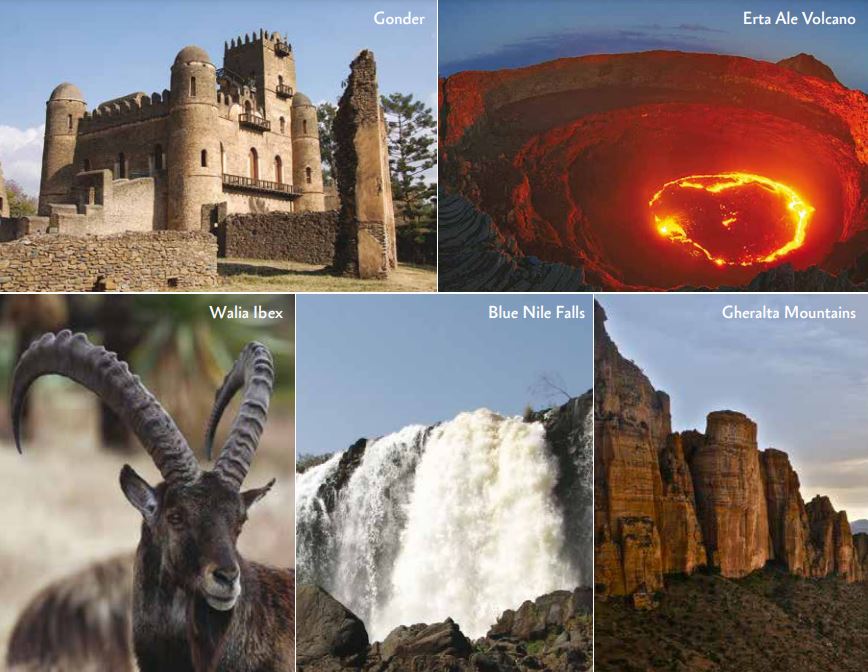
Buy travel insurance, and read the two clauses that matter here: whether it covers trekking above 3,000 metres (the Simien and Bale mountains go well above 4,000 m), and whether it excludes regions your government advises against. Read your own government’s current travel advice for Ethiopia before you buy, because insurers follow it and it changes.
Four weeks before: the visa
Apply for the tourist e-visa at evisa.gov.et — the government portal, not one of the agency sites that copy it. Processing is officially three working days but can take longer, so do not leave it to the last week.
You will need a scan of your passport photo page, a digital passport photo, your flight details and the address of your first hotel, and a card to pay. The full walkthrough, the current fee, and the warning about copycat sites are in the Ethiopia visa guide.
Print the approval when it arrives and keep a copy on your phone. Airlines check it at check-in.
Two weeks before: money and bookings
Tell your bank your travel dates. Ethiopia triggers fraud blocks on many banks’ systems, and a card frozen on day one is the most common money problem visitors have.
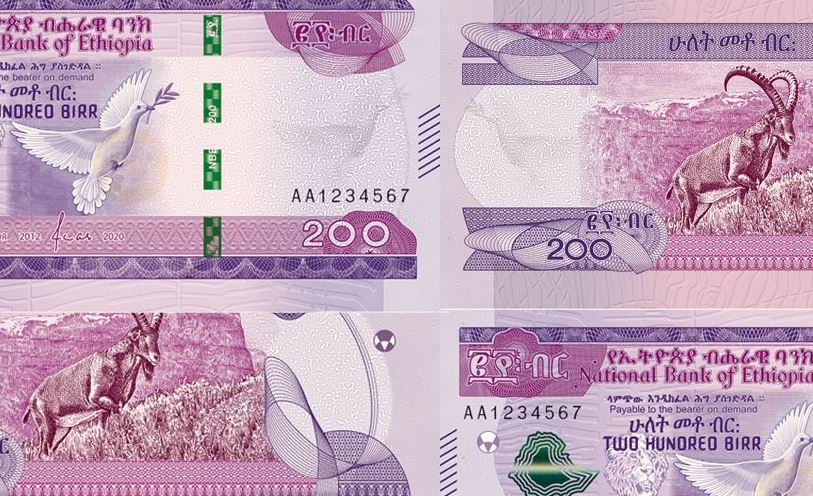
Get US dollars in cash — mostly 50s and 100s, clean and in good condition. Torn, taped or heavily marked notes can be refused at the counter. Plan to bring a meaningful part of your budget in cash, because card acceptance is narrow outside the capital. Why, and how much, is on the Ethiopian birr.
Book the things that sell out: domestic flights (much cheaper booked on the same ticket as your international Ethiopian Airlines flight), your first two nights’ accommodation, and any trek or guided tour, which needs a licensed operator arranged in advance.
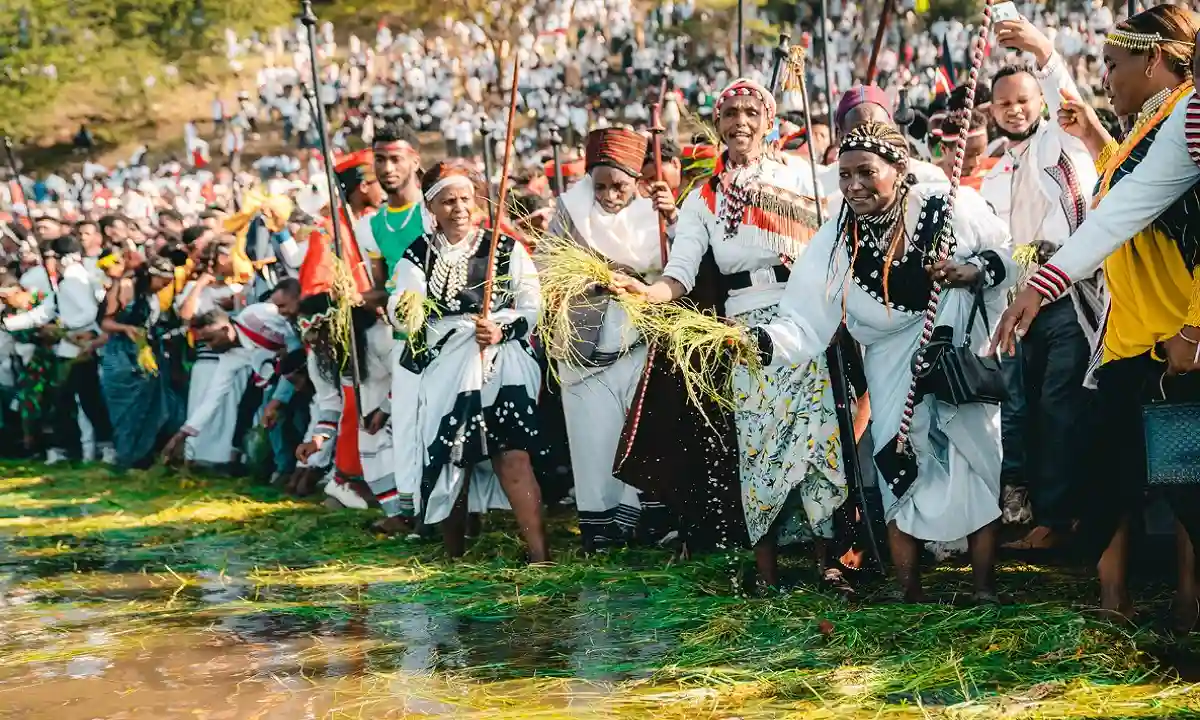
Check festival dates. Timing a trip around Timkat, Meskel, Genna or Irreecha transforms it — and fills every hotel in the relevant town. See the best time to visit.
What to pack: the thing everyone gets wrong
Ethiopia sits close to the equator, so people pack for heat. But Addis Ababa is at 2,400 metres, Lalibela and Gondar are high, and the Simien and Bale mountains drop below freezing at night. Meanwhile the Danakil and the Omo Valley are genuinely, seriously hot.
The answer is layers, not a single climate.
Clothing
- Light long-sleeved shirts and trousers — sun protection by day, mosquito protection at dusk, and modest enough for churches and villages
- A warm fleece or jacket for highland evenings; Addis gets cold after sunset and many buildings are unheated
- A rain jacket if you travel between June and September
- Comfortable walking shoes with grip — Lalibela, Gondar and every church site involve uneven stone and steps. Sandals are not adequate
- A scarf or shawl — women cover their heads in Orthodox churches, and it doubles as sun and dust protection
- Modest clothing generally: shoulders and knees covered, especially outside Addis. This matters at religious sites and in rural areas, and it changes how you are treated
- A hat and sunglasses. Highland sun at altitude burns faster than you expect
- Thermal layer and warm hat if you are trekking
Health and toiletries
- Sunscreen, high factor — expensive and hard to find here
- Insect repellent with DEET for lowland areas
- A small first-aid kit: rehydration salts, anti-diarrhoeal medication, painkillers, plasters, antiseptic
- Any prescription medicine in its original packaging, with a copy of the prescription, in enough quantity for the whole trip
- Hand sanitiser and tissues — public toilets often have neither soap nor paper
- A water bottle with a filter if you want to avoid buying plastic bottles
Electronics
- Plug adapter — Ethiopia uses 220V, 50Hz with sockets of types C, E, F and L. European two-pin plugs fit. US and UK visitors need an adapter, and US devices need to be dual-voltage
- Power bank, ideally a large one. Power cuts are routine
- Headtorch or small torch — genuinely useful during cuts, and essential in the rock churches and Sof Omar cave
- Camera. Phone cameras struggle in the dark church interiors
Documents to carry
- Passport, printed e-visa, vaccination certificate
- Two bank cards on different networks, stored separately
- Photocopies of everything, plus photos of them in your email
- Travel insurance policy number and emergency line
- Passport photos — useful for permits and extensions
Download before you fly
Airport wifi is unreliable and you will not have data until you buy a SIM.
- Offline maps (Google Maps or Maps.me) for Addis and every town you will visit
- Ride or Feres — the local ride-hailing apps
- Amharic phrasebook or an offline translator
- Your e-visa PDF, hotel bookings and flight confirmations, saved offline
- A few films or podcasts — Ethiopian road journeys are long
Learn five words of Amharic
It takes ten minutes and changes every interaction:
| Amharic | Meaning |
|---|---|
| Selam | Hello / peace |
| Ameseginalehu | Thank you |
| Awo / Aye | Yes / no |
| Sint no? | How much is it? |
| Yikirta | Sorry / excuse me |
Two weeks of mental preparation, honestly
A few things that surprise first-time visitors, worth knowing before rather than after:
- The calendar and clock are different. It is not the year you think it is, and 1 o’clock is not when you think. Confirm times in “European” or “Ethiopian” when booking anything.
- Food is shared from one plate, eaten with the right hand. Being fed a mouthful by your host — gursha — is affection, not an imposition.
- Fasting days are Wednesday and Friday for Orthodox Christians, when restaurants serve vegan food by default. This is excellent news if you are vegetarian and confusing if you wanted meat.
- Things take longer. Meetings start with coffee. Buses leave when full. This is not disorganisation, it is a different sense of priority, and fighting it will only make you unhappy.
- You will be noticed. Foreign visitors, especially outside Addis, attract attention, greetings and occasional calls of farenji. It is curiosity, not hostility.
The final checklist
- [ ] Passport valid 6+ months
- [ ] e-visa approved and printed
- [ ] Vaccinations done; certificate packed if needed
- [ ] Travel insurance covering your altitude and regions
- [ ] Bank told your travel dates; two cards packed separately
- [ ] US dollars in cash, clean notes
- [ ] First two nights booked; airport pickup arranged if arriving at night
- [ ] Domestic flights booked
- [ ] Layers, rain jacket, walking shoes, modest clothing
- [ ] Plug adapter, power bank, torch
- [ ] Medicines, sunscreen, repellent, first-aid kit
- [ ] Offline maps and apps downloaded
- [ ] Copies of all documents emailed to yourself
- [ ] Read arriving in Addis Ababa on the plane
Frequently asked questions
What should I pack for Ethiopia?
Layers. The highlands are cool, the lowlands are hot, and evenings in Addis are genuinely cold. Add sturdy walking shoes, modest clothing for religious sites, sun protection and a power bank.
Is Ethiopia hot?
Mostly no. Addis Ababa averages a mild 16°C year-round because of its altitude. The Danakil and Omo lowlands are very hot; the mountains freeze at night.
What vaccinations do I need for Ethiopia?
Commonly recommended: hepatitis A and B, typhoid, tetanus, polio, meningitis, and rabies for rural travel. Yellow fever is required only if you arrive from a country with transmission. Ask a travel clinic.
What plug does Ethiopia use?
220V, 50Hz, sockets type C, E, F and L. European two-pin plugs fit; US and UK visitors need an adapter.
How much money should I bring to Ethiopia?
Bring a good share of your budget as US dollars in cash, since cards are accepted narrowly outside Addis. See the Ethiopian birr for current rates.
Can I drink the tap water?
No. Drink bottled or properly filtered water, including for brushing your teeth.
About the author — Dawit Deggu Mohis
Dawit Deggu Mohis is an Ethiopian travel enthusiast who has spent years exploring and learning about his country’s rich history, diverse cultures, and stunning landscapes. Through his writing he shares practical tips, cultural insights, and personal discoveries to help travellers experience Ethiopia more deeply and respectfully. Found something on this page that has changed? Tell him and it will be fixed.