Shop signs, bus fronts and newspaper headlines in Addis Ababa use a script otherwise seen mainly in Eritrea. Ethiopians call it fidel (ፊደል), meaning “letter” or “alphabet”. Developed in Africa, it remains part of daily life for tens of millions of people.
What is the Ethiopian alphabet?
The script has several names. Ethiopians say fidel, linguists call it the Ethiopic script, and many people call it the Ge’ez script after the ancient language of the Aksumite kingdom.
Ge’ez names both a language and the script once used to write it. The language is no longer spoken in daily life, but the script continues, mainly for Amharic and Tigrinya.
Fidel works differently from an alphabet such as English, where consonants and vowels have separate letters. Each fidel character combines a consonant with a vowel, shown by changing the consonant’s shape. Linguists call this system an abugida. The term comes from Ethiopia: አቡጊዳ (a-bu-gi-da) is an old way of reciting the letters, just as “alphabet” comes from the Greek alpha and beta.
How many letters are there?
The number depends on which version of the script is being counted.
The 26 letters of classical Ge’ez
Classical Ge’ez has 26 basic consonants. The traditional order still taught to Ethiopian children begins ሀ ለ ሐ መ (ha, la, ḥa, ma), giving it the name halehame.
The 33 (or 34) of modern Amharic
Amharic includes sounds absent from Ge’ez, such as sh, ch and j. New letters were formed by adding a stroke or bar to an existing character: ሸ (sh) comes from ሰ (s), ቸ (ch) from ተ (t), and ጀ (j) from ደ (d). Seven additions bring the Amharic chart to 33 basic letters. Charts that include ቨ (v), used in foreign words, count 34.
Amharic also kept several Ge’ez letters whose sounds later merged. In modern Amharic, ሀ, ሐ and ኀ are all pronounced h; ሰ and ሠ are both s; አ and ዐ are both a; and ጸ and ፀ are both ts’. Traditional spelling determines which form a word uses, much as English distinguishes their and there. Tigrinya still pronounces some of these letters differently.
How the seven forms work
One consonant, seven shapes
Each basic letter has seven forms, called orders, corresponding to seven vowels. The first is the plain letter. The other six change it with a stroke, a foot, a ring or a modified leg.
Here are three families side by side:
| Order | Vowel | ለ (l) | መ (m) | ሰ (s) |
|---|---|---|---|---|
| 1st | ä | ለ lä | መ mä | ሰ sä |
| 2nd | u | ሉ lu | ሙ mu | ሱ su |
| 3rd | i | ሊ li | ሚ mi | ሲ si |
| 4th | a | ላ la | ማ ma | ሳ sa |
| 5th | e | ሌ le | ሜ me | ሴ se |
| 6th | ə or none | ል l | ም m | ስ s |
| 7th | o | ሎ lo | ሞ mo | ሶ so |
The pattern is fairly regular. The second order usually adds a short stroke on the right, the fourth shortens or bends a leg, and the fifth adds a small ring. Learning one family helps you recognise the others.
The sixth order can represent a very short “uh” sound or a consonant without a vowel, as in the final m of ሰላም (selam). The English spellings in the table are approximate. The first-order vowel, written ä here, sounds roughly like the e in “her”.
Extra forms
Many letters also have a form combining a w sound with a, including ሏ (lwa), ቋ (qwa), ኳ (kwa) and ጓ (gwa). With these forms included, an Amharic reader knows well over 200 characters. They are learned as 33 related shapes and their vowel marks, rather than as 200 unrelated characters.
Where did the script come from?
Early writing in the Horn of Africa
Writing reached the northern Ethiopian highlands from South Arabia, across the Red Sea, during the first millennium BC. South Arabian inscriptions have been found at Yeha, near Adwa, where a stone temple from about the 7th century BC still stands. Like Hebrew and Arabic, this early script recorded consonants and left readers to supply the vowels.
Aksum and the first vowels
By the early centuries AD, the kingdom of Aksum was writing Ge’ez in a local form of that consonant script. During the reign of King Ezana in the 4th century, later inscriptions began marking vowels through changes to each letter’s shape. That system remains in use. Scholars still debate exactly how and when the change happened. Around the same period, writing settled into a left-to-right direction after earlier right-to-left or alternating forms.
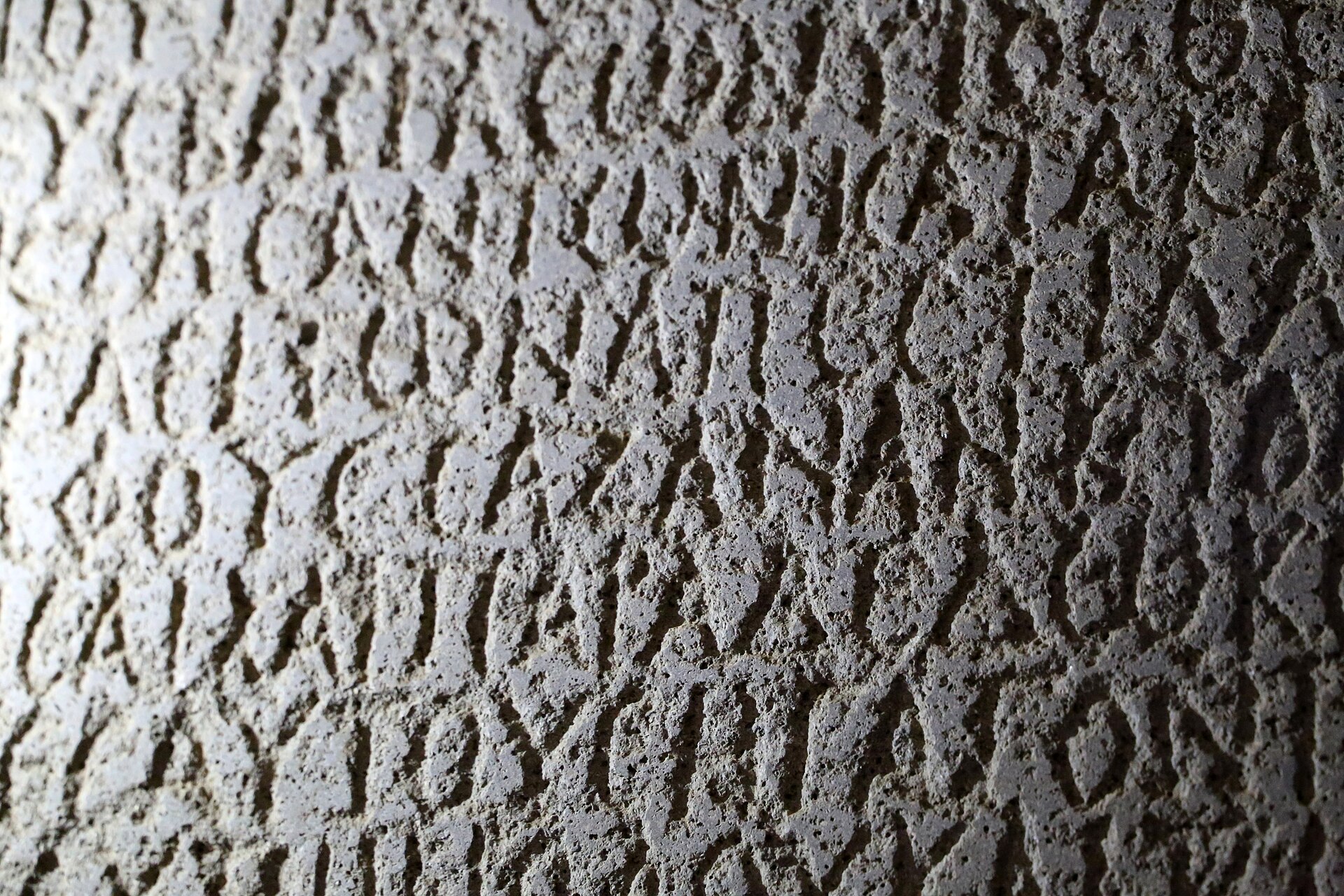
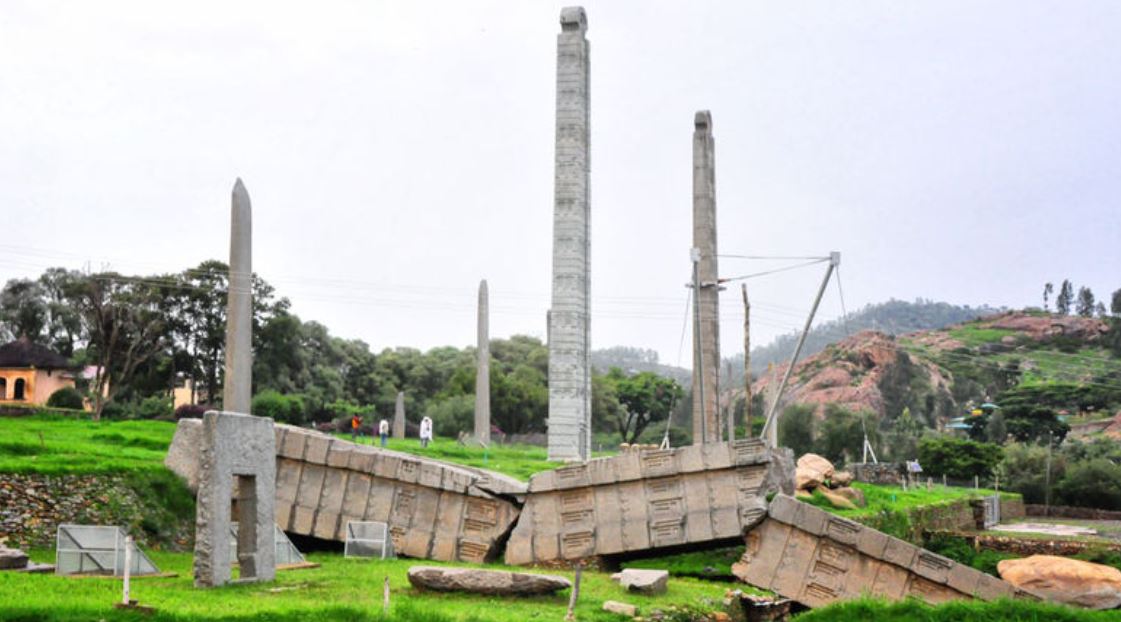
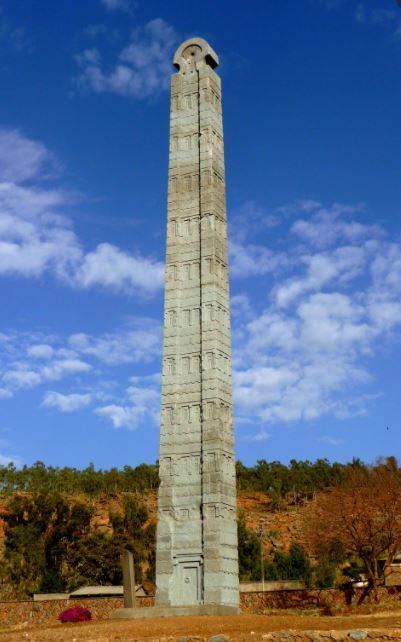
Ezana’s inscriptions remain visible in Aksum. The best-known stone repeats the same text in three forms: Ge’ez in fidel, Ge’ez in South Arabian script, and Greek, the language of Red Sea trade. Aksumite kings also placed Ge’ez words on their coins. The history of Aksum covers the period in more detail.
Manuscripts, chronicles and the printing press
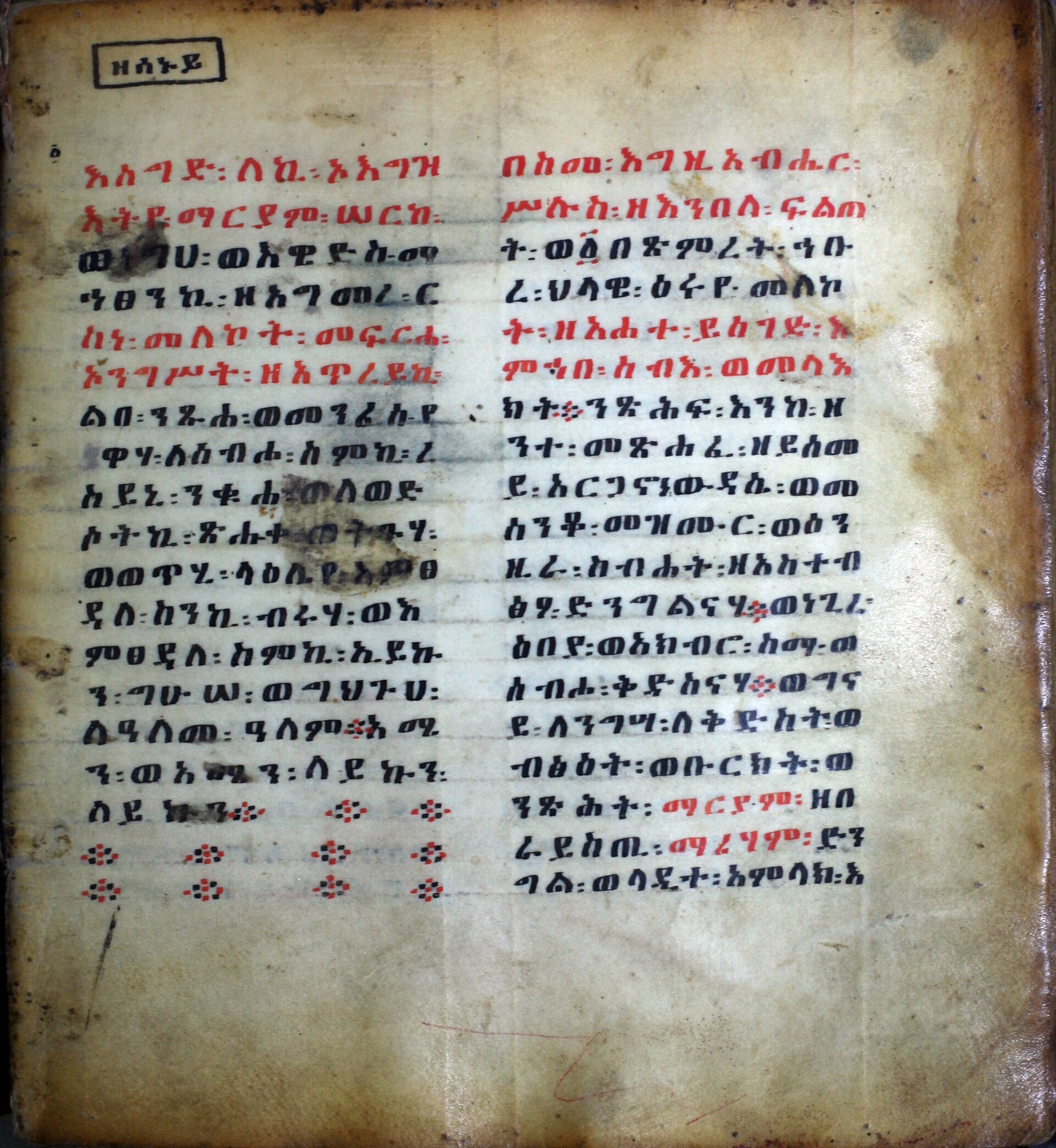
After Ezana became a Christian, the Ethiopian church adopted Ge’ez as its language and fidel for its books. The Garima Gospels, kept at a monastery near Adwa, are among the world’s oldest illustrated Christian books. Radiocarbon tests date them to between the 4th and 7th centuries.
For more than a thousand years, church schools trained scribes to copy the Bible, saints’ lives and royal chronicles onto parchment. The first book printed in fidel was a book of Psalms produced in Rome in 1513. Its German editor believed the language was “Chaldean”.
Amharic gradually replaced Ge’ez as the royal court’s written language. By the 20th century, fidel appeared in newspapers, schoolbooks and government documents. It joined Unicode, the text standard used by computers and phones, in 1999 and can now be typed on modern devices.
Which languages use fidel today?
Amharic
Amharic is Ethiopia’s working language and the language most widely written in fidel. It appears on road signs, banknotes, shop fronts, newspapers and official documents. Visitors who learn a little fidel will usually be reading Amharic.
Tigrinya
Tigrinya, spoken in Tigray and Eritrea, uses the same script. It retains the throaty sounds of ሐ and ዐ that Amharic lost and has additional letters such as ቐ. An Amharic reader can often sound out Tigrinya, although differences in grammar and vocabulary limit understanding.
Other languages
Tigre in Eritrea, Harari, the Gurage languages and several others also use fidel, sometimes with added letters for their sounds. Other Ethiopian languages use different scripts. Afaan Oromo, the language with the most speakers in Ethiopia, has used the Latin alphabet known as Qubee since the early 1990s. Somali and Afar also use Latin letters.
How to read your first words
Fidel is read from left to right. Each character represents a syllable, so a word can be sounded out one character at a time.
| Fidel | Sounds | Meaning |
|---|---|---|
| ሰላም | se-la-m | hello, peace |
| ቡና | bu-na | coffee |
| ኢትዮጵያ | i-t-yo-p’-ya | Ethiopia |
| አዲስ አበባ | a-di-s a-be-ba | Addis Ababa |
| አመሰግናለሁ | a-me-se-g-na-le-hu | thank you |
In ሰላም, ሰ is s in the first order (sä), ላ is l in the fourth order (la), and ም is m in the sixth order without a vowel. Together they make selam. The characters in ኢትዮጵያ are ኢ (i), ት (t, no vowel), ዮ (yo), ጵ (p’, no vowel) and ያ (ya). The p’ is an “ejective” sound made with a small pop of air. Ethiopia’s own name for itself is pronounced roughly ee-tyo-pya.
Café menus offer easy practice. Look for ቡና (buna, coffee), ሻይ (shay, tea) and ማኪያቶ (makiyato, macchiato). Amharic phrases for travellers gives more words in fidel with simple spellings, while Ethiopian names explains how many names come from ordinary words.
Ethiopian numbers and punctuation
Traditional numerals
Fidel has numerals based on the old Greek system. It includes a sign for each number from 1 to 9, each ten from 10 to 90, 100 and 10,000, but none for zero.
| ፩ | ፪ | ፫ | ፬ | ፭ | ፮ | ፯ | ፰ | ፱ | ፲ | ፳ | ፻ |
|---|---|---|---|---|---|---|---|---|---|---|---|
| 1 | 2 | 3 | 4 | 5 | 6 | 7 | 8 | 9 | 10 | 20 | 100 |
Larger numbers combine these signs. The Ethiopian year 2019 is written ፳፻፲፱: twenty, hundred, ten, nine. Ethiopians generally use the international digits 0 to 9 for prices, phone numbers and most dates. Traditional numerals still appear in church books, calendars, some clocks and page numbers. The Ethiopian calendar converter shows today’s Ethiopian date.
Punctuation
Old manuscripts separated words with a small colon-like mark, ፡, instead of a space. Modern printing mostly uses spaces, though several traditional marks remain common:
- ። (four dots) ends a sentence, like a full stop.
- ፣ works as a comma.
- ፤ works as a semicolon.
- ፧ is a question mark, though many writers simply use “?”.
Is Ge’ez still a spoken language?
Ge’ez is no longer a language of daily conversation. It stopped being anyone’s home language many centuries ago, although the timing is uncertain. Its descendants Tigrinya and Tigre are spoken today, and Amharic is a close relative.
Ge’ez remains a language of worship, comparable to the historical use of Latin in the Catholic Church. The Ethiopian and Eritrean Orthodox churches chant their liturgy in Ge’ez, and priests and church scholars study it for years. Beta Israel, Ethiopian Jews, traditionally used it for scripture. Some ancient religious texts, including the Book of Enoch, survive complete only in Ge’ez. Inside an Ethiopian Orthodox church has more on church life.
How to learn the Ethiopian alphabet
A beginner can learn the recurring patterns in stages:
- Learn the seven vowel marks on one family. ለ (l) is a useful starting point because its marks are clear.
- Add common consonants: መ (m), ሰ (s), ረ (r), በ (b), ተ (t), ነ (n), ከ (k) and አ (a).
- Read words from menus and signs, as well as your own name.
- Copy each family by hand a few times to remember its shapes.
- Leave the sound-alike letters and w forms until later.
Visitors can begin with two families a day for one week, then try reading the signs they pass. Free Amharic keyboards on phones and computers also make typing practice possible.
Frequently asked questions
Is the Ethiopian alphabet the same as the Amharic alphabet?
It is the same script. Amharic uses the Ge’ez letters plus several added ones, so “Amharic alphabet” usually means the 33-letter modern chart.
Does it have 26 or 33 letters?
Classical Ge’ez has 26 basic letters. Amharic has 33, or 34 if you count ቨ (v). Each comes in seven forms.
Why does every letter have seven forms?
Because each character shows a consonant and a vowel together. The seven forms match the seven vowels of Ge’ez.
Is it read from left to right?
Yes. The earliest South Arabian inscriptions often ran right to left, but fidel has been written left to right since Aksumite times.
Is Ge’ez related to Arabic?
The languages are cousins: Ge’ez, Amharic, Arabic and Hebrew all belong to the Semitic family. The scripts are only distantly related, through the old South Arabian script, and look nothing alike today.
Is it hard to learn?
Learning to read it takes most people a few weeks of short practice. Understanding Amharic takes much longer, although visitors can still use basic reading skills on signs and menus.