Addis Ababa Bole International Airport (ADD) is Ethiopian Airlines’ main hub. Thousands of passengers connect there each day between Africa, Europe, the Middle East, Asia and the Americas. Connections range from an hour to most of a day.
You do not need an Ethiopian visa if you stay in the international transit area. Passing through immigration, even for a few hours outside the airport, requires permission to enter Ethiopia. See do you need a visa to leave Bole Airport on a layover?
Choose by the length of your connection
| Connection time | What most travellers should do |
|---|---|
| Under 3 hours | Go straight to the transfer area and your next gate. |
| 3 to 6 hours | Stay airside. Eat, rest, charge your phone, use a lounge if you are eligible. |
| 6 to 8 hours | Usually stay airside. A city trip leaves very little time once you count the checks and traffic. |
| 8 to 24 hours | Check whether you qualify for the Ethiopian Airlines transit hotel. A short, planned city visit may be possible if you can enter legally. |
| Over 24 hours | Plan it as a proper stopover, with your own visa and hotel. |
These time bands are our recommendations, not airport rules.
How much time will you have outside?
Start with the time between your scheduled arrival and departure. Allow for leaving the plane, immigration, travel in both directions and the checks before your next flight. If you enter Ethiopia, we recommend returning to the airport about three hours before an international departure. This is our cautious margin rather than an official requirement; traffic in Addis Ababa is unpredictable.
On a nine-hour connection, getting out of the airport might take one to two hours, with another one to two hours for the drives into the city and back. Keeping three hours for departure leaves two to four hours in the city. A delayed arrival can use up that time. Stay at the airport if your flight is late, the immigration queue is long or you are unsure about your documents.
Under six hours: stay airside
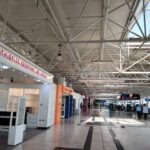
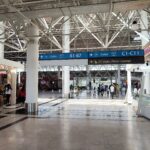
Terminal 2 handles all international flights, and Terminal 1 handles domestic flights. Follow the international transfer signs when you leave the plane. On a single ticket, bags normally travel through to your final destination, but check the tag issued at your first check-in. Watch the departure screens, as gates can change.
The terminal has free Wi-Fi, coffee bars serving Ethiopian coffee, restaurants, duty-free and souvenir shops, and a pharmacy. Some close overnight. Keep a charging cable, plug adapter and power bank in your hand luggage.
Lounge access
Ethiopian Airlines’ lounges are in Terminal 2 near Gate A13. Cloud Nine serves passengers departing Addis Ababa in business class; a separate lounge serves ShebaMiles Platinum and Star Alliance Gold members. The airline says both open 24 hours, with eligible passengers admitted from five hours before departure.
Access depends on your onward flight. Arriving in business class does not by itself qualify you if you continue in economy.
Ethiopian Airlines also sells premium lounge access through its website, app and ticket offices. Check the price and inclusions before buying.
8 to 24 hours: the Ethiopian Airlines transit hotel
Ethiopian Airlines offers a free hotel for connections of 8 to 24 hours when both flights are on a single ticket and operated by Ethiopian Airlines. The airline says the package usually includes a night in a hotel, meals and airport transfers. Eligible passengers are generally helped with a transit visa.
Ask for the hotel voucher at your first check-in; eligible passengers can collect it at their origin airport at no extra cost. If you do not receive one, visit the Ethiopian Airlines transit desk as soon as you arrive in Addis Ababa.
Before leaving the desk, confirm the hotel name, whether you must pass immigration, which meals are covered and when the return transfer departs. Codeshares, separate bookings or ticket changes can affect eligibility, so do not rely on the hotel until the airline confirms it.
The two Skylight hotels
The Ethiopian Skylight In-Terminal Hotel is in Terminal 2’s departure transit area, close to the gates. It has 97 rooms and can be used without entering Ethiopia.
The Ethiopian Skylight Hotel is a separate property outside the airport, reached by a transfer. Staying there requires permission to enter the country. A voucher for one hotel does not reserve a room in the other.
Sleeping in the terminal
You can rest in the terminal without paying for a hotel. Travellers report benches without armrests, reclining chairs and a quiet area in Terminal 2. Expect noise overnight: flights arrive and depart in waves, and announcements continue.
Pack a sweater for the cool air conditioning, plus an eye mask and earplugs. Keep your charger, power bank, medicine, toothbrush and a change of clothes handy. An empty water bottle can be filled after security.
Keep your passport, boarding pass and phone on you. Addis Ababa sits at about 2,350 metres, and the altitude can add to fatigue after a long flight. Allow time to rest and drink water.
Visiting Addis Ababa during a layover
For a short city visit, make sure you can enter Ethiopia legally, your bags are checked through and a driver or tour is arranged before you land. Keep the itinerary small:
- A coffee ceremony and a meal in Bole make the shortest, easiest trip. See the Ethiopian coffee ceremony and Ethiopian dishes to try first.
- The National Museum of Ethiopia is an option during opening hours. Its fossil gallery displays a replica of Lucy’s skeleton; the original bones are not normally on show. See Lucy and Ethiopia’s human fossils.
- Entoto Park has views over the city, but the drive into the hills makes it better suited to a longer layover.
- Merkato, the huge open market, is best visited with a local guide and plenty of time. See Merkato.
For a 12 to 24 hour layover beginning in the evening, go to the hotel, eat and sleep. If your departure time allows, visit one or two nearby places after breakfast. Avoid trips to Lalibela, Bishoftu or elsewhere outside the capital during a connection. See things to do in Addis Ababa for more ideas.
Ethiopian Holidays, the airline’s tour partner, sells city tours for transit passengers with airport pickup and drop-off. These are paid tours, separate from the free hotel package.
Bags and onward flights
For an international-to-international connection on one ticket, bags are usually checked through. Confirm the destination on your bag tag.
When connecting to a domestic flight in Ethiopia, you must collect your bags in Addis Ababa, clear customs and drop them at domestic check-in, even if they were tagged through. You will also pass immigration.
With separate tickets, you may need to enter Ethiopia to collect your bags and check in again. Confirm the baggage arrangements and entry requirements with both airlines before buying, and allow extra time.
If you miss a connection, go straight to the Ethiopian Airlines transfer desk. Keep your boarding passes and bag receipts.
Money and SIM cards
Airside shops may accept cards or foreign cash, depending on the shop, and the airport has free Wi-Fi. Bank and phone counters are in the arrivals hall after passport control. See buying a SIM card in Ethiopia and avoiding unlicensed currency exchange.
Last checked: 1 November 2026, on the Ethiopian Airlines website. Confirm with the airline before you travel. See also arriving at Bole airport.



Entry rules, health guidance, prices, transport and regional conditions can change. Confirm current information with the relevant official authority or provider. Official Ethiopia e-Visa portal