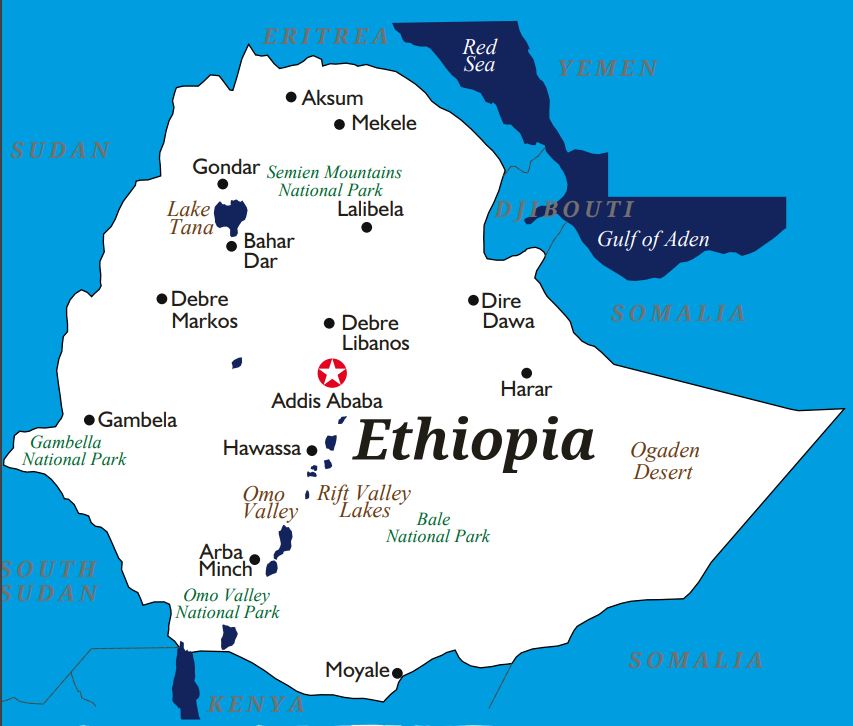
Dirre Sheikh Hussein is a walled religious settlement in the Bale region of south-eastern Ethiopia, built around the tomb of the Muslim saint Sheikh Hussein. For centuries it has drawn pilgrims from across Ethiopia and the wider Horn of Africa, and today it is one of the most important Muslim pilgrimage sites in the country. The site is a living one, where worship, hospitality and local tradition continue as they have for generations. This page explains what the site is, when pilgrims come and how a visitor should behave.
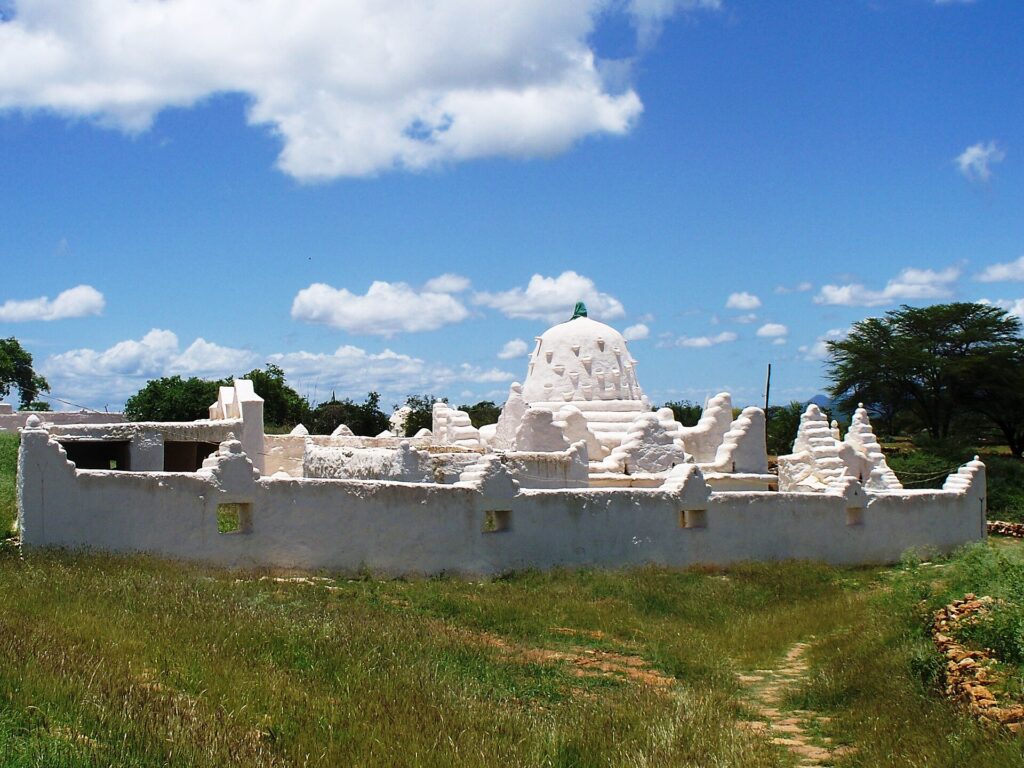
Photo: Oyst1, CC BY-SA 3.0, via Wikimedia Commons
Who was Sheikh Hussein?
Sheikh Hussein, also called Sheikh Nur Hussein, is revered as a holy man and teacher who spread Islam among the Oromo people. Oral traditions place his life in the medieval period, and accounts link him with the networks of Muslim scholars who travelled along the eastern route through the walled city of Harar. His shrine became a place of prayer, healing and learning, and the community that grew around it kept his teaching alive.
What the site is
The settlement contains mosques, shrines, tombs, courts, residential buildings and water ponds, set in a landscape of forest that local people treat as sacred. The forest around the site has been protected by the community for religious reasons, which has helped to preserve the surrounding environment. The site has been proposed for UNESCO World Heritage status and appears on Ethiopia’s tentative list, a step towards a formal nomination. The tentative-list entry describes it as a testimony to a cultural tradition in which people lived with nature over a long period.
A blend of traditions
Dirre Sheikh Hussein is a good example of how Islam took root in the Horn of Africa. Pilgrims and local people practise Islamic worship alongside older Oromo traditions of respect for ancestors, nature and sacred places. Visits to the shrine include prayer, the recitation of religious songs and the sharing of food, and the site’s custodians organise the hospitality for large crowds.
The pilgrimages
Thousands of pilgrims gather at the shrine twice a year to remember the saint’s birth and death, and the dates follow the Islamic lunar calendar, so they move about 11 days earlier each year. Sources give different months, so ask a local contact or a tour operator for the dates in the year of your visit. During the pilgrimages, the site is crowded, accommodation in the area fills up, and many visitors travel long distances on foot or by bus. Pilgrims come not only from Ethiopia, but also from neighbouring countries.
For other Muslim festivals and the history of Islam in Ethiopia, see Eid in Ethiopia and religion and language.
Visiting as a traveller
- Go with a local guide or a tour operator. The site is remote, and a guide will explain the customs and help with introductions.
- Dress modestly. Cover your shoulders and knees, and women should cover their hair. Remove your shoes where asked.
- Ask before you enter a shrine or a prayer area, and ask permission before you take photographs of people, especially during prayer.
- Be respectful during the pilgrimage periods, when the site is busy with worshippers. A visit outside those periods is quieter, though some parts of the site may be closed.
- Bring cash, water and snacks. There are few facilities, and ATMs and cards are unreliable in the region.
- Check the travel conditions. Read your government’s current travel advice and ask locally about roads before you go.
Combining it with other places
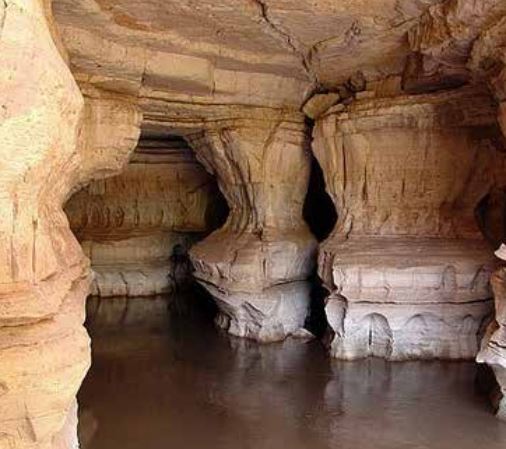
The site lies in Bale, near the Bale Mountains and the Sof Omar caves. Visitors who combine these places can see a mountain national park, a huge limestone cave system and an important Muslim shrine in one trip. Allow extra days, since the roads are long.
Last checked: 25 October 2026. Sources: UNESCO World Heritage tentative list entry for Dirre Sheikh Hussein; community and academic accounts.
Dirre Sheikh Hussein lies in Bale, near the Bale Mountains and the Sof Omar caves. For Ethiopia’s religions, see religion and language.