Updated October 2026.
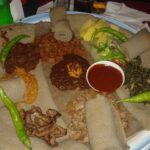
Ethiopian meals often centre on spiced stews served over injera, a soft, sour flatbread made from the native grain teff. Diners share the food from one large plate and eat with their hands. The country’s long coffee tradition and two weekly fasting days also shape what people eat and drink. Because fasting food contains no animal products, vegans have many options.
The guides below cover Ethiopian food, restaurants, coffee traditions and festival meals.
Before your first meal
Things to know about Ethiopian food explains the basics: what injera is, why you eat with your right hand, what gursha means, and how the fasting calendar changes what is on the menu on Wednesdays, Fridays and during Lent.
What to order
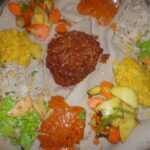
Ethiopian dishes to try first covers doro wat, shiro, tibs, kitfo and the vegan beyaynetu platter. It also explains how hot each dish is and what to ask for if you prefer mild food.
Eating out
Eating out in Ethiopia explains the different types of restaurants, from simple local places to cultural restaurants with music and dancing. It also covers ordering, sharing a plate and tipping.
Coffee
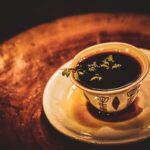
The Ethiopian coffee ceremony, step by step explains how green beans are roasted, how the three rounds of abol, tona and baraka are served, and what hosts expect of a guest. The story of coffee’s origins appears in land of origins, while Gedeo covers the coffee-growing area around Yirgacheffe.
Food and festivals
Holidays end long fasts with feasts: Meskel in September, Genna (Christmas) on 7 January and Fasika (Easter) in spring are all marked with doro wat, bread and coffee shared between neighbours.
Taking flavours home
Visitors often take home spices such as berbere and mitmita, roasted coffee or a clay jebena coffee pot. See shopping in Ethiopia for where to buy them.