Updated October 2026.
Doro wat is the dish Ethiopians cook for the most important days of the year. At Genna, Fasika and other holidays, families break a long fast with this deep red chicken stew, slow-cooked in onions, berbere spice and spiced butter, with whole hard-boiled eggs. The secret is patience: the onions are cooked slowly, without oil, until they almost melt. This recipe makes enough for four to six people with injera.
Ingredients
For the stew
- 1 chicken (1.2–1.5 kg), skinned and cut into 10–12 pieces
- Juice of 1 lemon and 1 teaspoon salt, for washing the chicken
- 1 kg red onions, very finely chopped (a food processor helps)
- 6–8 tablespoons niter kibbeh (Ethiopian spiced butter; recipe below)
- 3–4 tablespoons berbere, to taste
- 4 cloves garlic and a thumb of fresh ginger, finely grated
- About 1 cup (250 ml) water or chicken stock
- 2 tablespoons tej (honey wine) or red wine, optional
- ½ teaspoon ground korarima (Ethiopian cardamom) or ordinary cardamom
- 6 eggs, hard-boiled and peeled
- Salt
For a quick niter kibbeh
- 250 g unsalted butter
- ½ small onion, chopped; 2 cloves garlic; a slice of ginger
- ½ teaspoon each of fenugreek seeds, cumin seeds and turmeric
- 3 cardamom pods, crushed; a pinch of dried oregano or basil
Method
- Make the niter kibbeh. Melt the butter over low heat, add the other ingredients and simmer very gently for 20–30 minutes, until the milk solids turn golden and the butter smells nutty and spiced. Strain through a fine sieve or cloth. It keeps for weeks in the fridge.
- Wash the chicken. Put the chicken pieces in a bowl of cold water with the lemon juice and salt, leave for 15 minutes, then rinse. This is the traditional way, and it freshens the meat.
- Cook the onions dry. Put the chopped onions in a heavy pot over medium-low heat with no oil. Stir often for 20–30 minutes, adding a splash of water if they start to stick, until they are soft, reduced and golden.
- Add butter and berbere. Stir in half the niter kibbeh, then the berbere. Cook for another 10–15 minutes, stirring, adding a little water whenever the paste looks dry. It should become a thick, glossy, dark red sauce.
- Add garlic, ginger and the chicken. Stir in the garlic and ginger for a minute, then add the chicken, the tej or wine, and enough water or stock to almost cover. Simmer gently, partly covered, for 40–50 minutes, until the chicken is tender. Stir from time to time and add water if needed.
- Add the eggs. Score the hard-boiled eggs lightly with a knife so they take up the sauce, add them to the pot with the korarima and the rest of the butter, and simmer for 10 more minutes. Season with salt.
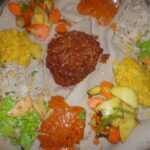
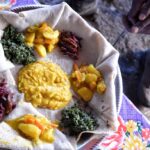
Serve hot on injera, with a spoonful of ayib, the mild fresh cheese, to cool the heat. Each person traditionally gets a piece of chicken and an egg.
Tips
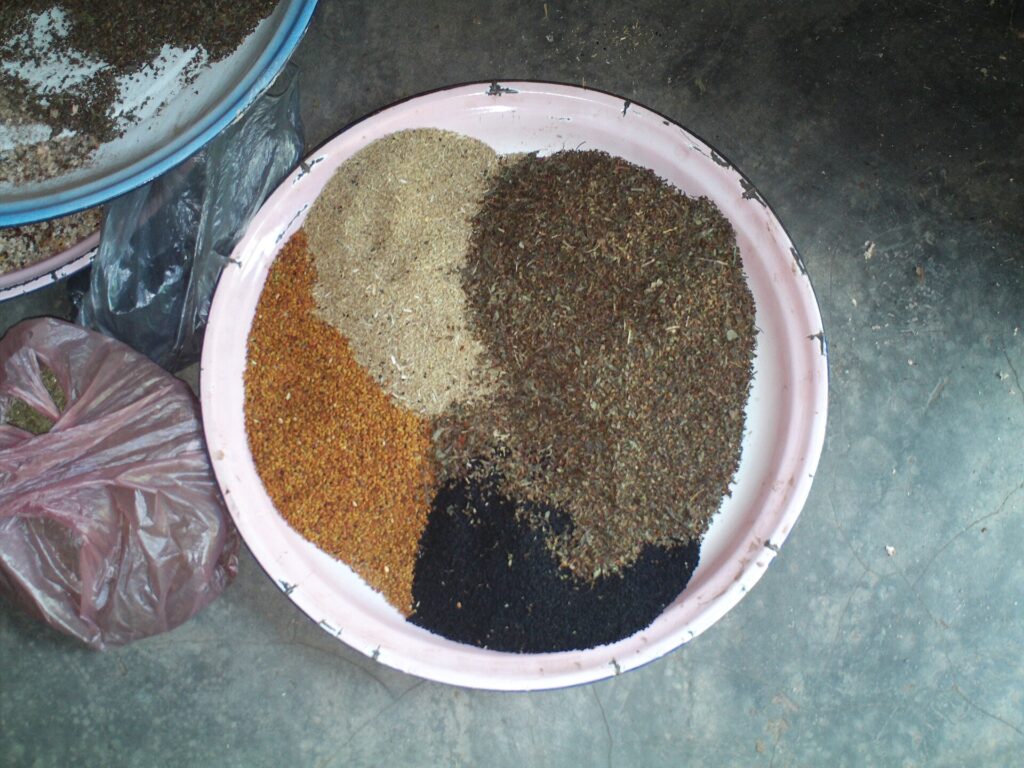
- Berbere varies in heat. Start with 3 tablespoons, taste, and add more. Buy it from an Ethiopian shop or bring a sealed bag home from Ethiopia; see shopping in Ethiopia.
- Do not rush the onions. They give the stew its body and sweetness. Many Ethiopian cooks spend an hour on this stage alone.
- Make it a day ahead. Like most stews, doro wat tastes even better the next day.
- No injera? It is also good with flatbread or rice, though it will not be quite the same.
Doro wat in Ethiopia
At home, doro wat is festival food. It is the centrepiece of the feast after the night service at Genna and Fasika, and after weeks of fasting food it is the meal everyone looks forward to. Restaurants in Addis Ababa serve it all year. For more dishes to try, see Ethiopian dishes to try first, and finish your meal with a coffee ceremony.