This page explains the names of Ethiopia’s four seasons. For the weather by region and what to pack, see Ethiopian seasons. For the best months to travel, see when to visit.
Ethiopia is a tropical country, but altitude shapes the weather more than distance from the equator. The highlands are mild by day and can be cold at night, while the lowlands are hot. Ethiopians divide the year into four seasons, and the names are used everywhere, from weather forecasts to farming.
Bega: the dry season (December to February)
Bega brings dry, sunny days and cold nights. Frost is common on highland mornings, especially in January. The skies are clear, which makes it a popular time for trekking and photography. In the lowlands the weather is warm and dusty. Genna and Timkat fall in this season.
Belg: the short rains (March to May)
Belg is the season of the small rains. Showers come and go, farmers plant their crops, and temperatures rise. In the lowlands, the weather in the weeks before the main rains is the hottest of the year. Pack light clothes, but keep a rain jacket.
Kiremt: the main rains (June to September)
Kiremt is the long rainy season, and in the highlands it brings heavy afternoon rain, cloudy skies and cooler days. The landscape turns green, rivers rise, and the Blue Nile Falls are at their fullest. Some roads become difficult, and travel in the south and the lowlands can be hard. Pack warm layers and waterproofs. The rains slowly end around the time of the new year.
Meher: harvest and flowers (September to November)
Meher is the season of harvest. The rains stop in the highlands from about October, the sky clears, and the hills are green with yellow adey abeba flowers. Enkutatash is the new year, Meskel comes on 27 September, and Irreecha follows in early October. This is one of the best times to visit.
Three zones of altitude
Ethiopians also describe the land by height, and the zones explain why one season feels so different from place to place:
- Kolla, the hot lowlands below about 1,500 metres.
- Woina dega, the warm middle zone, from about 1,500 to 2,300 metres.
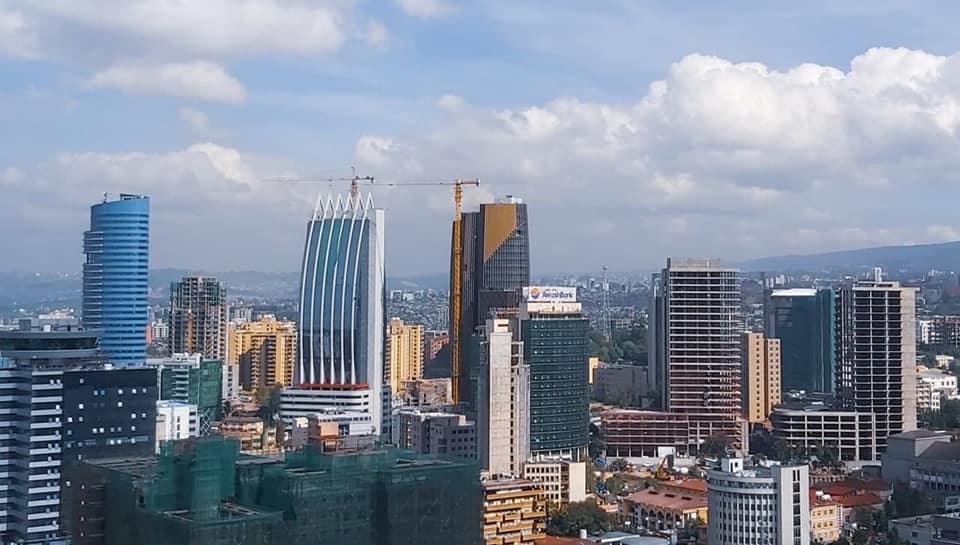
- Dega, the cool highlands above about 2,300 metres, where Addis Ababa and most of the northern sights lie.
Above about 3,200 metres lies wurch, the cold mountain zone of the Simien and Bale Mountains.